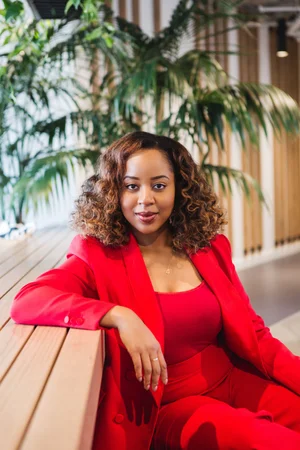
I went to Hoi An, Vietnam, with a very specific mission: build a custom wardrobe in cotton, linen, and silk, with zero polyester if I could help it.
This isn’t the first time I’ve been to Hoi An. In fact, Hoi An was a city I spent some time in on my first Liberty Leave in 2019, when I spent 5 months travelling throughout Southeast Asia.
On this visit to Hoi An, though? I wanted shirts, dresses, trousers, sets, swimwear, and pieces that actually worked for my body.
Somehow, I ended up with 16 custom pieces made for under $1,000 CAD. It was exciting, exhausting, occasionally stressful, and honestly one of the most memorable shopping experiences I have ever had.
Hoi An is known as one of the tailor capitals of the world. There are tailors everywhere, turnaround can be incredibly fast, and you can bring in photos from Pinterest, Instagram, or online stores to turn your ideas into real clothes. But the process is not simply walking in, pointing at a photo, and leaving with a perfect wardrobe. Getting great results takes research, clear feedback, fittings, patience, and a realistic budget.
Why I Chose Hoi An for Custom Clothing
Hoi An is a beautiful ancient town in central Vietnam, and it is especially well known for custom clothing. Hundreds of tailor shops are packed into a walkable area, so I could move between appointments without relying on Grab, Vietnam's ride-hailing app.
Most tailors can produce clothing in 24 to 48 hours, but I would not plan a tailoring trip around the fastest possible turnaround. I gave myself several days because I wanted time for alterations and final fittings. In my experience, two to four days is a much more comfortable timeline, especially for dresses, structured pieces, or anything fitted through the bust.
I stayed centrally at Almanity Resort, which made it easy to walk around town. I also picked up a local SIM card from Viettel across the street. Having data was very useful because I communicated with every tailor through WhatsApp for fitting updates, pickup times, and questions.
And yes, Hoi An is hot. The heat is not a game. Wear breathable clothing, carry water, use sunscreen, and bring a hat if you need one. You may be walking between shops and changing in small fitting rooms multiple times a day.
My Plan: Natural Fibers and a Pinterest Board Full of Ideas
Before arriving, I made a Pinterest board with reference photos for every kind of piece I wanted. This made the process so much easier because I could show an exact silhouette, neckline, hemline, closure, or sleeve shape instead of trying to explain it from scratch.
My priority was natural fabric. I was mainly looking for:
100% linen
Linen and silk blends
Cotton
Silk
Minimal stretch only where it genuinely helped the fit
Natural materials can cost more than basic synthetics, and tailoring prices also vary based on the shop, complexity of the design, and skill level required. I was fully prepared to pay a little more for quality fabric and a better fit.
I learned quickly that fabric matters just as much as the garment design. A dress may look beautiful in a photo, but if the fabric is too stiff, too thin, too slippery, or has the wrong amount of stretch, it can completely change the result.
Tailor One: 45 Thu Tailor
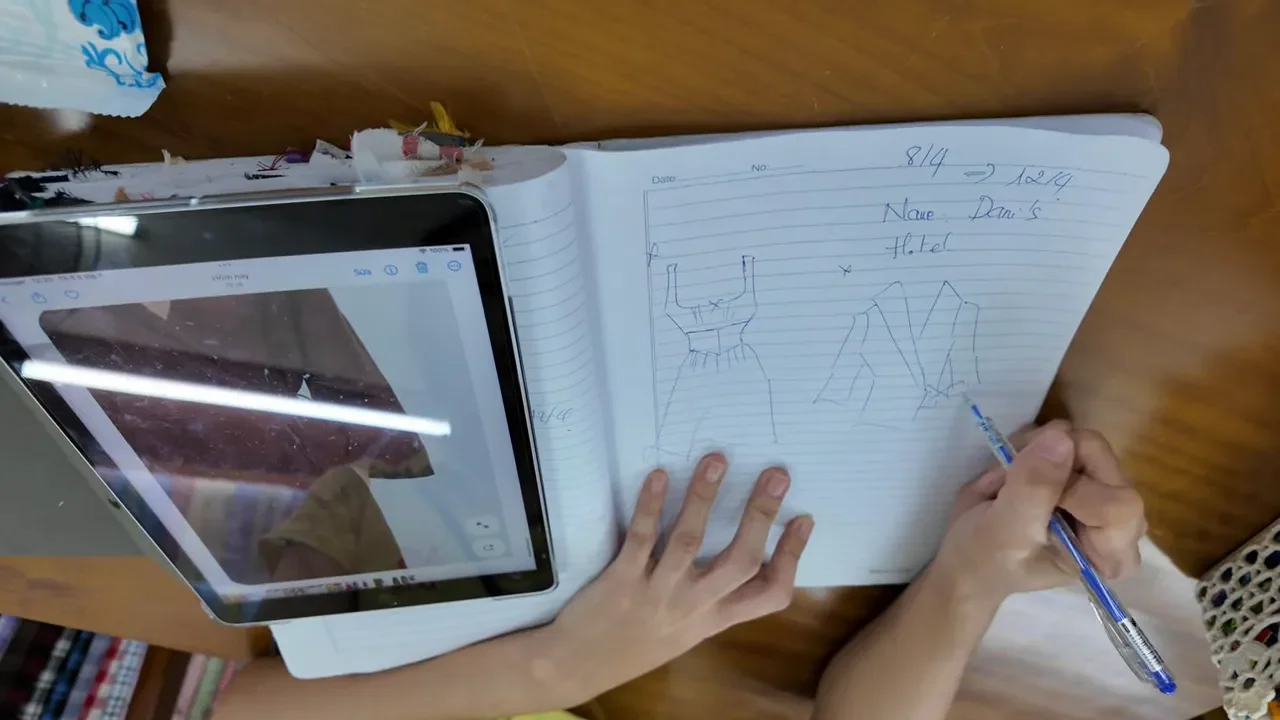
The first shop I visited was 45 Thu Tailor. I found them after doing a lot of research and seeing strong examples of their work online. They were not the cheapest option in Hoi An, but their quality and attention to detail were consistently recommended, and I was willing to pay a premium for pieces I hoped to keep for years.
At this first appointment, I ordered:
A pair of trousers
A sleeveless wrap top
A dress
A blazer-style long-sleeve piece
The consultation was very hands-on. We discussed design changes that would make each reference photo work better for me, including flared sleeves, a tie-back option, thick straps for more bust support, a more A-line skirt, diagonal slits, zipper colour, and neckline adjustments.
I also asked practical questions about care. Linen could be machine washed, but I was advised to turn it inside out and use care because the fabric texture could change. These are the small things worth asking before you commit.
I paid 50% upfront and planned to return for fittings. That is a common structure at many tailoring shops, although payment terms can vary.
Ask Direct Questions About Fabric
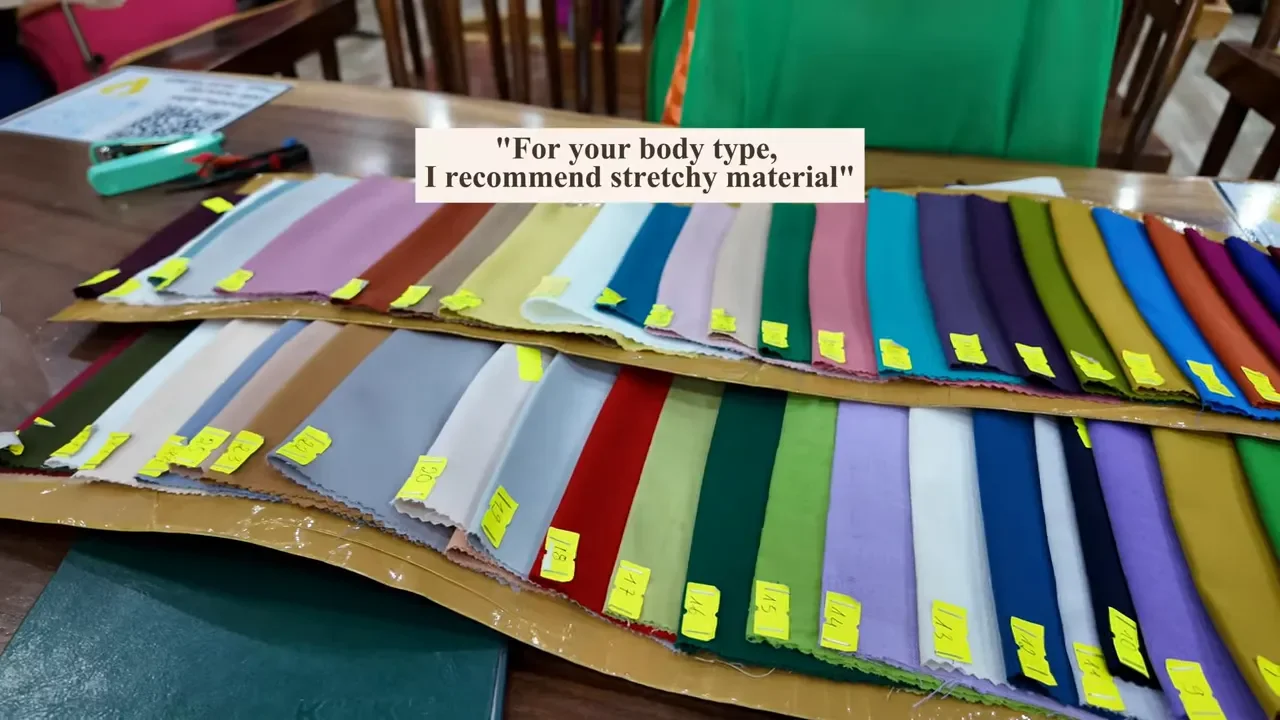
One of the biggest lessons from this experience is to be very specific about what you want. Do not assume a fabric is what it appears to be. Ask whether it is 100% linen, silk, cotton, or a blend. Ask whether it stretches. Ask how it will drape. Ask whether the tailor recommends handwashing or machine washing.
Sometimes a tailor will recommend a different material because it may fit or move better for your body. That advice can be valuable, but make sure you understand the tradeoff before agreeing.
Tailor Two: Bao Diep and a More Complicated Silk Set
My second stop was Bao Diep, which I found through TikTok. I brought in a reference photo for a fitted top and flowy skirt set. It had a corset-inspired feel, and because the design was more intimate and fitted through the chest, I knew it might take several rounds to get right.
The tailor was very honest from the start. She explained that the set would be similar to my reference photo, not identical, because the original model had a different body shape. That was exactly the right expectation to set.
We worked through practical modifications:
Adding a little length through the top for more comfort around my stomach
Including elastic where it would improve fit
Creating a slightly curved bust shape
Choosing fabric with a bit of stretch for support and movement
After selecting the fabric and colour, I was measured and shown the drawings for approval. I paid upfront, knowing I might need up to four or five fittings because of the bust fit.
That is the reality of custom clothing: a more fitted garment may require more of your time. But if you struggle to find off-the-rack tops that fit both your bust and the rest of your body, the extra fitting effort can be very worth it.
Tailor Three: Xuan Thu Bikini Tailor
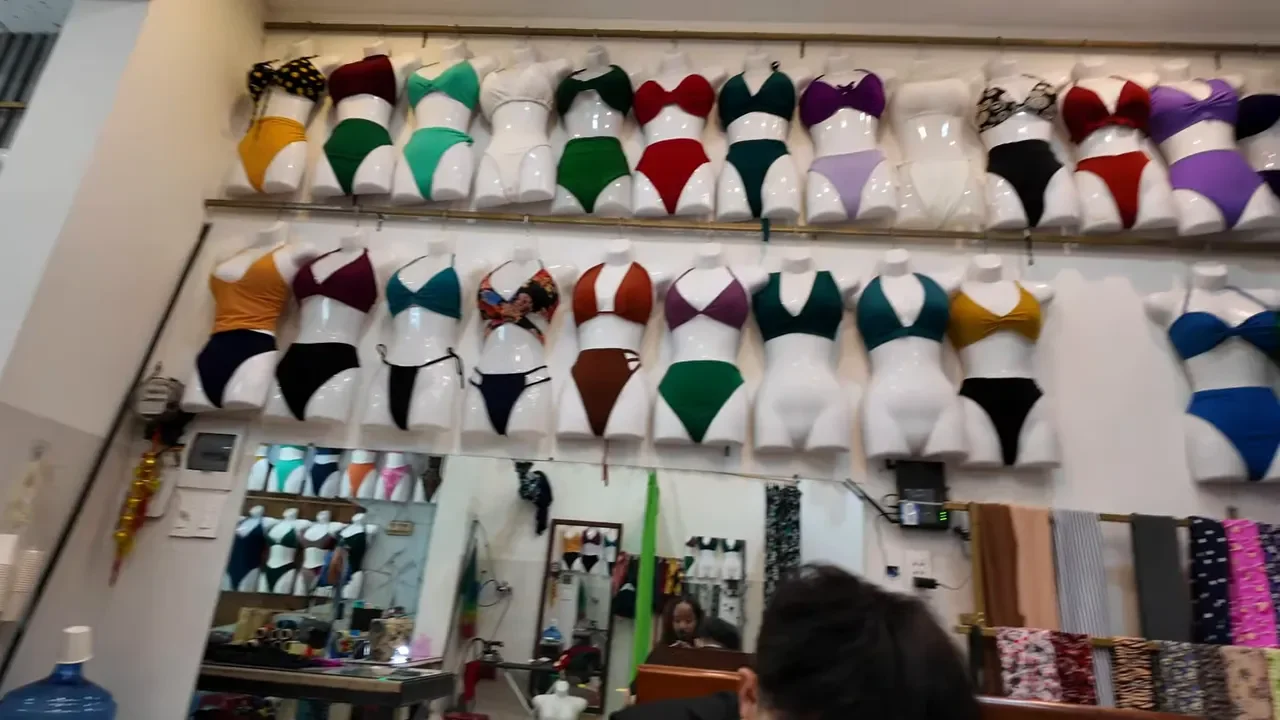
I also wanted a custom swimsuit, so I went to Xuan Thu Bikini Tailor, one of the few shops in Hoi An focused specifically on swimwear. It is run by a mother and son team, which I loved.
I already owned a swimsuit style I liked, so rather than designing something totally new, I asked for that silhouette in a different colour. They took my measurements, drew up the design, and asked me to return a few days later for a fitting.
The first version was genuinely promising. I loved the colour and quality, but it needed a few alterations around the chest and crotch. The fit was adjusted to provide less exposure through the bust and remove bunching in the bottom area.
That was a perfect example of why the first fitting is not the finish line. The direction can be right even when the first version still needs technical tweaks.
My Biggest Advice: Make Tailoring a Side Quest, Not Your Whole Trip
I loved the tailoring experience, but Hoi An has so much more to offer than clothes. I have done market tours, cooking classes, and bike rides through the rice terraces in the area, and those experiences are just as worth making time for. Hoi an is such a special city to spend a month or more in on a Liberty leave.
Custom clothing should be a fun part of the trip, not the only thing on the itinerary. Fittings can take longer than expected, and you may be tired after walking in the heat, changing repeatedly, and making lots of decisions.
I also felt comfortable doing many of my appointments on my own. I was traveling with my partner, but I handled much of the tailoring process solo and felt safe in Hoi An. As always, stay aware of your surroundings and use the usual travel precautions.
Fittings Are Where the Real Work Happens
After day one, I had three active orders across three tailors. Then came the fitting phase, which was by far the most important part of the process.
I received WhatsApp messages when pieces were ready. That communication made the entire experience so much easier, especially because the shops were busy and I had multiple appointments to manage.
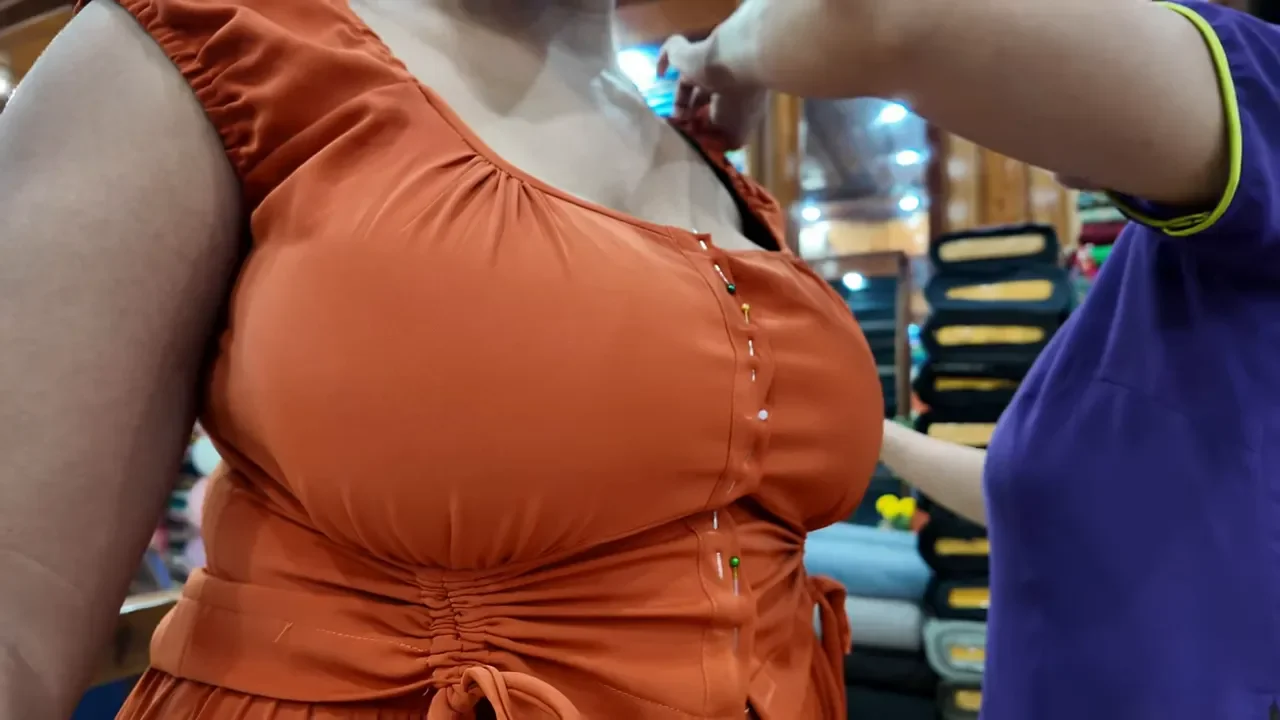
At 45 Thu Tailor, one black wrap top was nearly perfect on the first try. But one red dress became the bane of my existence. The fabric we chose was not working with the design, the chest area was bunching strangely, and I was not happy with it.
It was frustrating, but the team kept working at it. I gave feedback, they took the dress to the sewing machine, made adjustments, brought it back, and had me try it again. We repeated that process again and again.
In total, the red dress went through roughly seven modifications before it finally felt right.
Never Leave Until You Are Happy
Once you leave Vietnam, you are probably not coming back to exchange or alter something. That means it is so important to inspect every piece before you sign off.
Check for:
Loose threads
Uneven hems
Gapping between buttons
Puckering or bunching around the bust
Straps that feel loose, tight, or uneven
Closures that do not lie flat
Comfort when sitting, walking, and moving your arms
The correct length for skirts, trousers, and sleeves
I saw the tailors make finishing adjustments in real time. In one case, the bottom of a shirt had loose threads and unfinished stitching. They did not send it out as-is. They fixed it on the sewing machine after I pointed it out.
Be kind, be clear, and do not be afraid to give direct feedback. You are paying for a custom garment. It should fit and feel like one.
Why a Specialist Tailor Can Be Worth It
After my first fittings, I realized I was not loving the linen options from one of my tailors. I had no business ordering more clothes, but I did it anyway and visited Milan Linen, a shop that specializes in linen clothing.
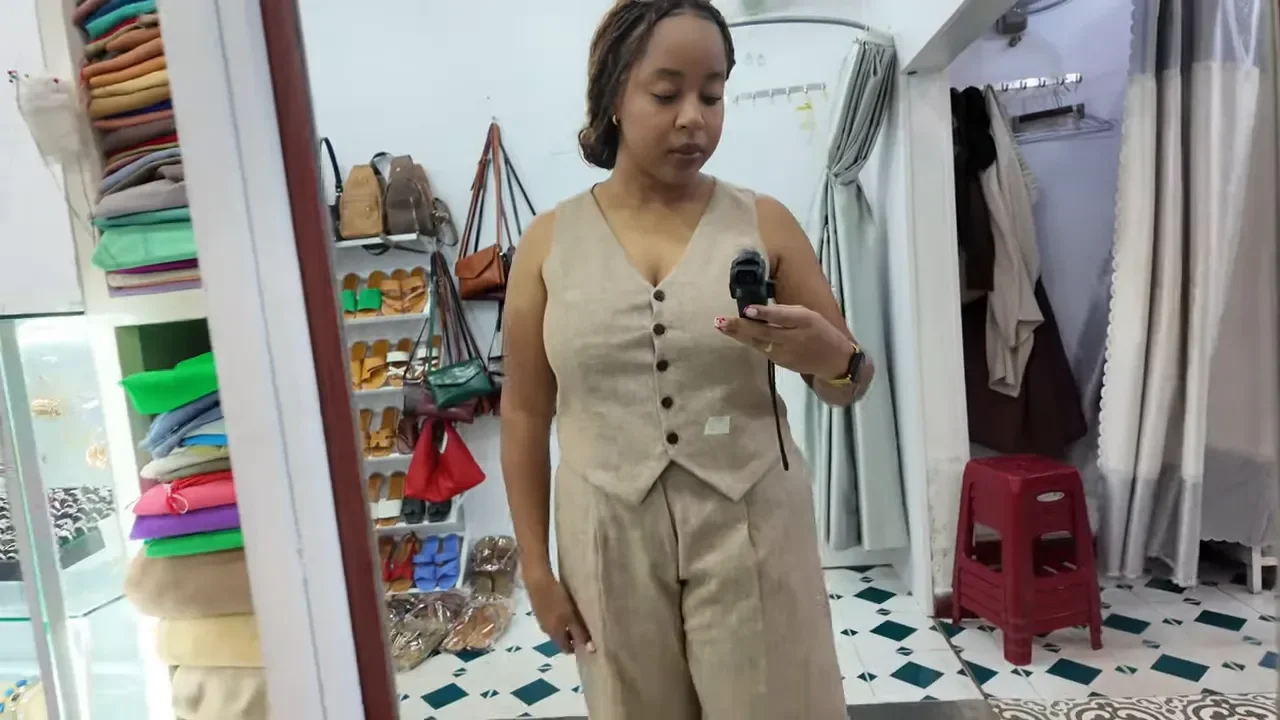
I ordered a linen dress and a two-piece set with a vest and wide-leg dress pants. Milan Linen was a much better match for the breezy natural-fiber wardrobe I had in mind.
During the first try-on, the buttons had not yet been sewn onto the vest, and we discussed pant length and final alterations. At a later fitting, I noticed gaping between the vest buttons. The solution was simple but effective: they added a snap button so the front stayed closed and secure.
The linen dress also needed changes around the bust where the fabric was creating lumps. They fixed that too, and the result was much closer to what I wanted.
Final Hoi An Fittings and Finishing Details
After five days in Hoi An, my partner and I headed to Da Nang for a longer stay. The great thing is that Da Nang is only about 45 minutes from Hoi An by Grab, so I could return once the final pieces were ready.
Giving the tailors extra time helped. I told them I was not in a rush, and it allowed them to work through the final adjustments instead of forcing a rushed pickup.
At Bao Diep, I picked up my burnt orange two-piece silk suit. It took several fittings, especially around the bust, and we added a snap button to prevent gaping between the top closures. Bao Diep was the most expensive tailor I used, but I felt the craftsmanship and attention to detail justified it.
I watched the team carefully burn away final loose threads and inspect the garment before handing it over. Those finishing touches matter.
Budgeting for a Hoi An Tailor Trip
Please come with a budget. I am saying this as someone who absolutely did not stick to a sensible stopping point.
Tailoring can feel dangerous for your wallet because every shop has another beautiful fabric, another Instagram reference, and another idea that suddenly feels essential. I went in wanting a wardrobe refresh and somehow left with 16 pieces.
Beyond the tailoring budget, remember to account for:
Higher prices for premium linen, cotton, and silk
Complex designs that require more labour
Extra clothing weight in your luggage
Potential airline overweight-bag fees
Extra travel time for multiple fittings
The pieces may cost much less than similar custom garments would at home, but they are not free. Decide your spending limit before you arrive, prioritize your most-wanted pieces, and leave room in your suitcase.
More Than Hoi An: Finding a Tailor in Da Nang
Even after all of that, I found another custom clothing maker in Da Nang through Instagram: Anna's Kleding. Anna was incredibly convenient because she came directly to my accommodation for my fitting.
I ordered a few more pieces with her, plus silk pillowcases as gifts for friends and family. Did I go overboard? Absolutely. Did I have the time of my life? Also absolutely.
My Honest Take on Getting Custom Clothes Made in Vietnam
Getting custom clothes made in Hoi An can be amazing, especially if you have specific fit challenges, want natural fibers, or are tired of trying to make off-the-rack clothing work for you.
But it is not all butterflies and rainbows. You need to be prepared to make decisions, communicate clearly, attend fittings, and advocate for the fit you want. Some pieces may work beautifully on the first try. Others may need major adjustments, a fabric change, or several rounds at the sewing machine.
For me, the effort was worth it because I ended up with custom pieces designed around my body and personal style. The best approach is to arrive prepared, choose your tailors carefully, allow enough time, and do not settle for a garment that is only almost right.
Bring the photos. Ask the questions. Feel the fabric. Make the fittings happen. And please, for the love of your luggage allowance, set a budget before you start.
Would you get custom clothing made in Vietnam? Why or why not? Let me know in the comments!
P.S. Stay tuned for Part 2, where I share the try-on of all of my new custom pieces!