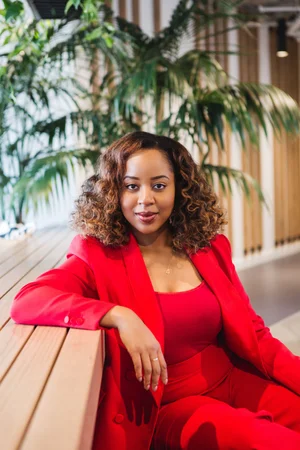
The Liberty Leavers, Issue 001: Brandy Walker Stopped Applying to Jobs and Is Crowdfunding a Year of Rest Instead
Many of us grow up believing the only acceptable career move is forward. A promotion. A new job. A bigger title. A new hustle. But what about the women who decide to pause and rest?
The Liberty Leavers is a new series sharing the stories of women who are taking intentional breaks from work. Some planned it for years. Others were pushed into it by layoffs, burnout, or life transitions. What they all have in common is the decision to step away from the grind and have the audacity to choose rest.
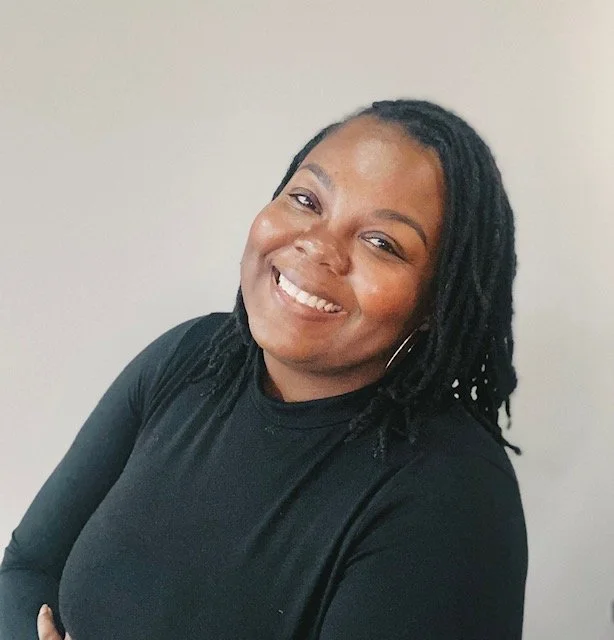
✨ First up: Brandy Nicole Walker.
Some people lose a job and panic. Brandy lost hers and leaned into a plan. She launched the Black Woman's Sabbatical Project: a fully crowdfunded, fully documented restorative experience, and is asking the village to help fund it.
She's building a blueprint, and she's doing it in public.
Who is Brandy Nicole Walker, and what has your life looked like up until this point?
Brandy is a storyteller and creative. My life thus far has been an amazing experiment in courage, risk taking and truth seeking.
I grew up in California, went to college in New York City and now live in Chicago, IL. I became a mother at the age of 21, my junior year in college. I am a first generation college graduate. I went to college undecided, decided on a career in journalism, but graduated during the recession and found myself substitute teaching and working at the “99 Cents Only” store.
I became a teacher after a few years, and quit a few years later due to stress. I tried entrepreneurship. Failed. Drive Uber and Lyft, held various jobs before going back into teaching and quitting again. I left teaching and started working in nonprofits running programs before working in fundraising and development.
My heart has always been in storytelling, writing and being creative. That's how I got into marketing and branding, and that's what I do now. My career path and life isn’t linear, but it's been a blessed and full experience.
You've been working since you were 11. What did rest even look like for you before this decision?
Are you familiar with the phrase, shop til you drop? I would work until I physically could not, and then I would “rest”.
Rest would be a few hours of sleep, lounging around watching TV and staying at home. My mind would constantly be thinking about all the things I needed to do, bills I needed to pay and just all kinds of worries.
The layoff seems like it was a turning point. How did losing your job shift your thinking rather than send you into panic mode?
I did not panic when I lost my job because my intention has always been to leave the workforce. After working side jobs and dabbling into entrepreneurship over many years, I knew that my days of working full-time for someone else would soon come to an end.
I started a consulting company about a year prior to losing my job. I just really wanted to have a container to hold a lot of the work I had already started doing. So, when I lost the job, I said “Okay God, is this you telling me to go all in on my business?”. I took that as a sign.
Working for yourself is also work—it’s even more work than working for someone else. Working past my exhaustion and confusion, and building something new gave me a sense of freedom within a new prison. Now, no paycheck was coming just because I wanted it to. I had to earn everything I received.
“I did not panic because I had a plan, and I just felt like this was my time to pivot”.
You said nearly everyone is telling you to just apply to more jobs. Where does the confidence to say no come from? And what are people’s opinions on the journey you’re about to embark on?
The unemployment rate is up. The advice I am being given is outdated. I can say no based on my own experience. In a year’s time, I applied to over 400 jobs, had around 30 interviews…and no job offers. When something isn’t working you have to be smart enough and courageous enough to do something different.
When I share my goal and the project I’ve created, people are both excited and confused. I get a lot of “oh hell yes! You deserve it!” and also “so what are you going to do for work?”
Other women, Black women, who take a “sabbatical”, either work part-time, take a break for a few weeks, or become a caretaker for someone else if they are not nursing their own health. It’s a mini-vacation—not a year-long break.
“I do not intend to work. I intend for this project to be fully-funded so that my needs are met and I can create the documentary of the experience. People have a hard time with that part. Not doing anything doesn’t sit well with them”.
What does a "Black Woman's Sabbatical" mean? Why was it important to name it that way?
It is important to share that this isn’t just about me. Throughout my life, I have always gone first and I see this no differently. I will forge the path ahead so that other women can do this too.
It's not my sabbatical, it is ours.
The Black Woman Sabbatical Project is an opportunity for me to create a framework and a model for other Black women to follow and build their own sabbaticals. This is why I am going to document it. I am not free until we all are.
Why did you decide to crowdfund this publicly rather than save quietly or figure it out privately?
Black people have always crowdfunded for causes that were meaningful and larger than ourselves. The Civil Rights Movement is a great example. While there were those marching in the streets, giving speeches, and turning the other cheek, there were more people behind the scenes posting bail, renting cars for boycotters, making sure our leaders could eat, travel, and have places to stay. Black people historically have pooled our money together to reach our goals.
Marcus Garvey crowdfunded when building his shipping business and the UNIA. Artists during the Harlem Renaissance sustained themselves and were able to continue creating art because patrons would purchase instruments for them, pay their rent, and give them a food allowance.
My project is no different. Everyone in society benefits from the work of Black women, so it is only right that I ask for support in my rest.
What advice would you give to women who want to take a break but feel like they simply can't afford to?
Find a way. Make a way.
Is there anything about doing this so publicly that scares you? Or are you fully settled in the decision?
I have survived so many battles alone with no one to turn to but God. When you are able to rebuild your life from underneath rock bottom, you tend to not care what people think.
I have always been very transparent about my journey. My personal brand built on social media is me sharing the wisdom and understanding I have gained through my experiences and that of others.
Almost everything I do is public. And a project like this has to be rooted in community.
Once I got my first donation, I knew I could reach my goal. So, the question is not “if”. It’s a matter of “when”.
How do you envision this sabbatical influencing what comes next in terms of career, creativity, identity, and your relationship with rest?
I do not want to end this sabbatical as the same person that I started as. I am completely open to the ways in which it challenges and changes me.
For now, I am focused on the individual journey and I am looking forward to how this can open up possibilities for me creating something concrete for other women. But for now, getting to the journey and documenting it.
What do you want Black women who are watching you to take away from this?
You do not have to wait on anybody to start living the life you want to live.

How can people support you on this journey?
Have a sabbatical or career break story of your own? Pitch it to dani@libertyleave.com and you could be featured in a future edition of The Liberty Leavers.
💰 Not sure if you can afford a break? Take the free quiz to find out: Are You Financially Prepared to Take a Career Break?
🌴 Ready to plan your own purposeful pause? The Liberty Launchpad teaches burnt-out women how to plan & take a career break without going broke.